
Industrial and commercial roofs play a critical role in protecting people, equipment, and valuable assets from harsh environmental conditions. Over time, even well-built roofing systems begin to deteriorate due to continuous exposure to heat, ultraviolet radiation, moisture, and structural movement. When signs of aging appear, many building owners assume that full roof replacement is the only solution. However, roof restoration offers a powerful alternative that can extend the life of a roof for many years without the high cost and disruption associated with a complete tear-off.
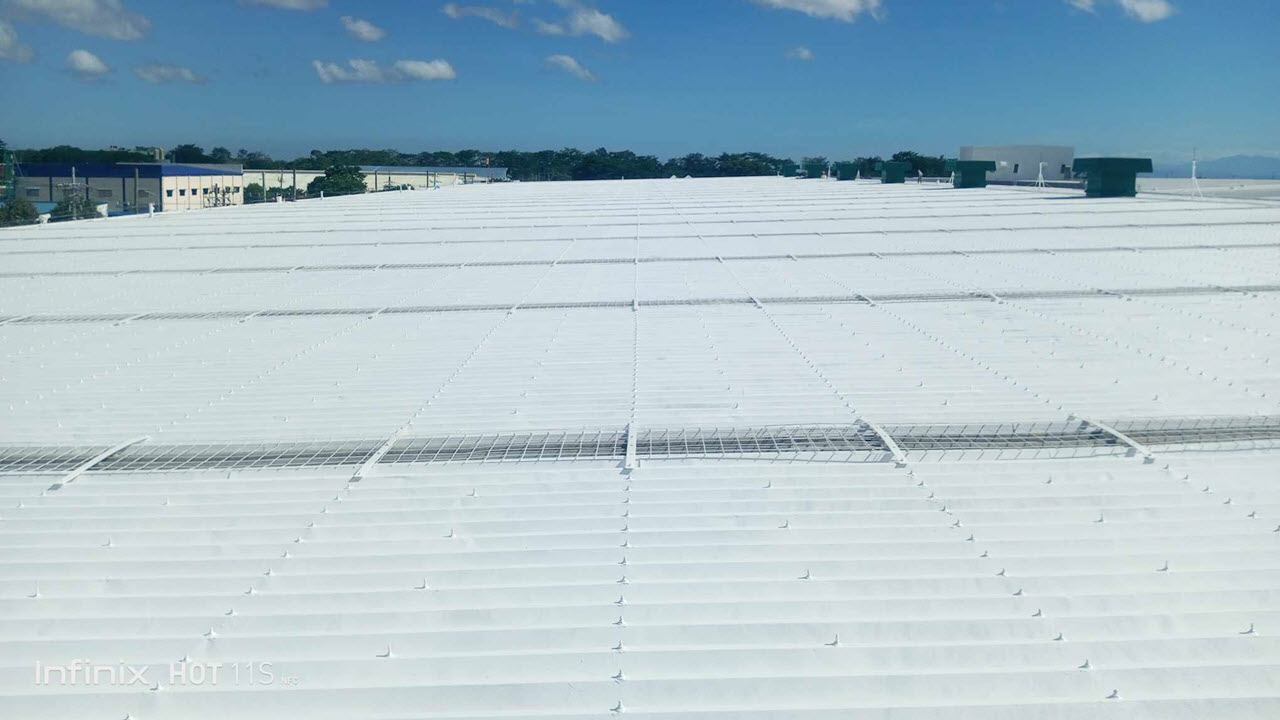
Roof restoration is a specialized process that repairs existing damage and reinforces the roof with a protective coating system. This method strengthens waterproofing performance, improves thermal behavior, and stabilizes aging roofing materials. Instead of discarding an entire roof structure that is still fundamentally sound, restoration allows building owners to upgrade the roof’s performance at a fraction of the cost.
Industry Research Supporting Roof Restoration
A study conducted by Simpson Gumpertz & Heger in 1996 examined the life expectancy of the most common commercial roofing systems. The research found that many systems lasted only eleven to fourteen years before requiring major attention. When these roofs approached the end of their service life, restoration significantly delayed the need for replacement and delivered improved long-term performance without the substantial costs associated with removing the existing structure.
The study illustrated that restoration does more than extend service life. It enhances the roof’s ability to withstand environmental stress, slows deterioration and creates a new performance layer that protects the underlying structure. In short, restoration can transform a failing roof into a renewed asset.
Why Restoration Is the Smarter First Option
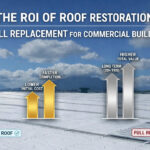
Restoration offers several advantages that replacement cannot match. The most immediate benefit is cost. Because the existing roof remains in place, restoration avoids the extensive labor, disposal fees and material costs associated with removal and replacement. This reduction in scope brings overall project costs down significantly.
Restoration also minimizes disruption. Unlike replacement, which often requires noisy demolition, structural reinforcement or temporary business shutdowns, restoration is performed quickly and with far less operational impact. Many facilities continue operating throughout the process without interruption.
Energy efficiency is another key factor. Modern coating systems reduce heat absorption by reflecting sunlight and lowering roof surface temperatures. This can result in measurable savings on cooling costs, especially in industrial facilities with large roof areas and high daytime heat exposure.
Environmental and Operational Advantages
Beyond cost and speed, roof restoration also supports environmental sustainability. Retaining the existing roof prevents large volumes of old roofing materials from being disposed of in landfills. Applying a new protective membrane extends the useful life of the roof, reducing the need for resource-intensive reconstruction projects.
For industrial buildings, operational continuity is essential. Roof restoration maintains structural integrity with minimal disruption, making it an ideal solution for manufacturing plants, warehouses, facilities with sensitive equipment, and operations that cannot afford downtime.
Choosing the Best Approach for Your Building
Before deciding between restoration and replacement, a professional roof assessment should be conducted. Many roofs that appear to be at the end of their life are still structurally sound and only require targeted repairs and a protective coating system. Restoration is most effective when the underlying structure is stable and the existing roof has not suffered severe structural failures.
Replacement becomes necessary when the roof deck is compromised, insulation is saturated or the overall structure has deteriorated beyond repair. In all other cases, restoration is often the more practical and financially efficient solution.
A Long-Term Strategy for Industrial Roofing
For many industrial facilities, roof restoration is not simply a repair decision—it is a long-term asset management strategy. It preserves the existing structure, improves energy performance, and delays significant capital expenditures. With the right coating system, restoration can add many years of reliable protection while delivering measurable financial and environmental benefits.
Restoration is often the smarter, faster and more responsible path. Before replacing an industrial roof, building owners should explore whether restoration can deliver the same performance at a fraction of the cost.