
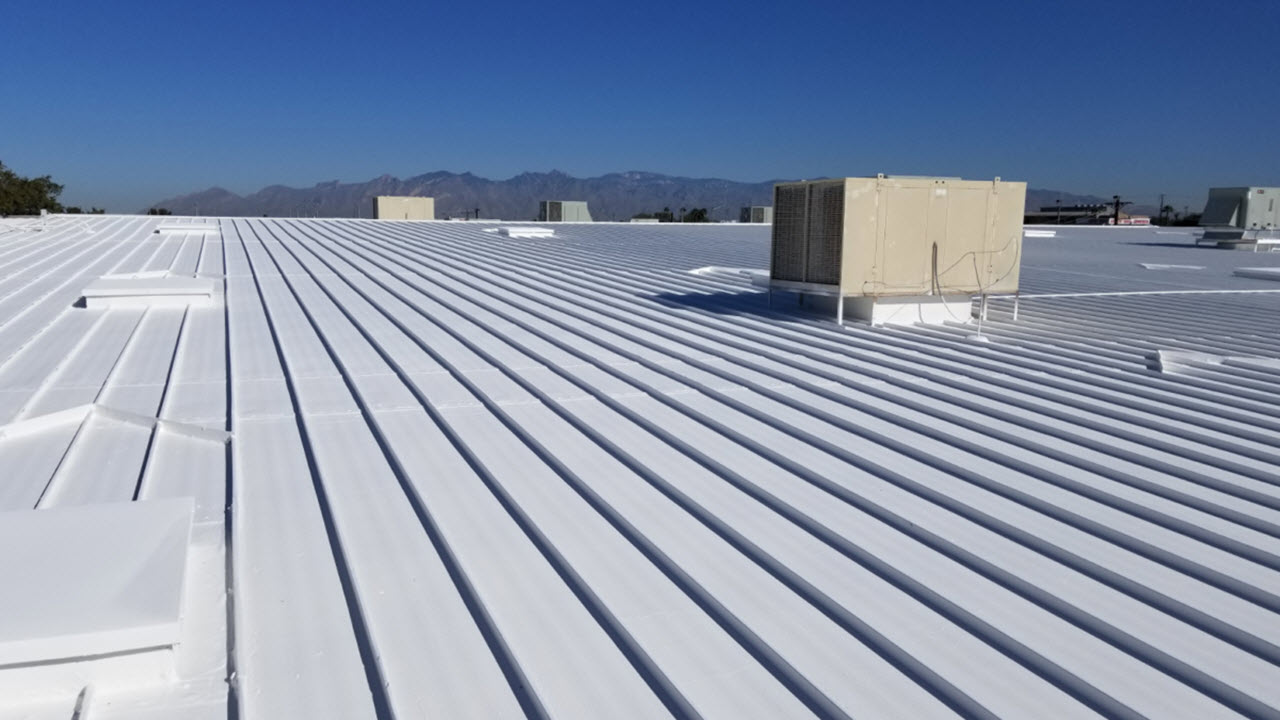
A commercial roof plays an essential role in the comfort, safety, and stability of any building. It protects interior spaces from heat, moisture, and weather exposure while contributing to the overall energy efficiency of the facility. As the roof ages, however, it begins to show visible signs of wear. Small cracks, surface deterioration, UV damage, and thermal movement can eventually lead to leaks and costly structural repairs. One of the most effective ways to slow this aging process and extend the life of a commercial roof is through the application of a roof coating system.
A roof coating is a fluid applied membrane that forms a continuous protective layer over the roof surface. This layer shields the substrate from ultraviolet radiation, standing water, heat cycling and environmental contaminants. When installed correctly, a high performance coating system restores the roof’s protective function, improves thermal stability and delays the need for full roof replacement.
How Roof Coatings Extend Roof Life
Roof coatings work by creating a reinforced barrier that resists the elements more effectively than the roof surface alone. They help block ultraviolet radiation that can weaken roofing materials over time. They protect against moisture intrusion by sealing micro cracks and surface gaps. They also reduce heat absorption, which minimizes thermal expansion and contraction that often accelerates roof deterioration. Together, these benefits allow the roof structure to remain stable for significantly longer.
A coated roof often performs better under severe weather conditions and remains less vulnerable to premature failures. This makes coating systems an ideal option for commercial properties seeking to manage long-term maintenance costs while improving overall building performance.
Energy Efficiency and Thermal Benefits
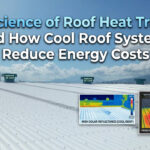
Beyond protection, roof coatings also improve energy efficiency. Reflective and elastomeric formulations help reduce surface temperatures by reflecting sunlight and releasing heat more effectively. This lowers heat transfer into the building and reduces reliance on air-conditioning systems. Over time, the energy savings from a coated roof can offset the cost of installation, especially in tropical climates with high cooling demands.
A properly coated roof helps maintain a more stable indoor environment, contributing to reduced energy consumption and improved comfort for occupants.
Types of Roof Coatings Used in Commercial Buildings
Different coating technologies are engineered to meet specific performance requirements. Understanding their characteristics helps building owners select the system that best suits their roof condition and environment.
Elastomeric coatings are flexible membranes designed to stretch and recover as the roof expands and contracts. This flexibility allows them to handle thermal movement effectively and resist cracking.
Polyurethane coatings are known for their strength and abrasion resistance. They are often used on roofs that experience foot traffic or mechanical movement because of their durability.
Acrylic coatings offer strong ultraviolet protection and excellent reflectivity at a more affordable price. They are suitable for many roof types but require proper drainage because they are less effective under ponding water.
Modified bitumen coatings combine bitumen with elastomeric or polyurethane components to create a durable and flexible membrane. They are commonly used to reinforce older roofs that require additional structural resilience.
The right coating depends on the roof’s condition, climate exposure, drainage design, and budget. A professional assessment helps ensure that the chosen system performs as intended.
Selecting the Right Coating for Your Roof
Choosing the most effective coating involves more than simply selecting a product. A qualified commercial roofing contractor evaluates the substrate, identifies sources of deterioration, checks for moisture intrusion, and determines the required level of reinforcement. Each roof behaves differently depending on its age, material, and environmental exposure. Professional assessment ensures that the coating system is compatible with the substrate and applied at the correct thickness to achieve long-term performance.
Cost Considerations and Long-Term Value
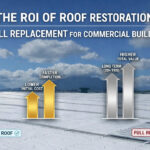
The cost of roof coating varies depending on roof size, existing condition, chosen coating technology, and labor requirements. While coating requires an initial investment, it is significantly more cost-effective than premature roof replacement. By restoring the roof surface and delaying structural repairs, coating systems provide substantial long-term value. They also minimize operational disruptions that typically occur during full roof tear-offs.
Additional Practices to Extend Roof Lifespan
Regular inspections help identify early signs of deterioration. Cleaning the roof prevents debris buildup that can cause drainage problems or surface damage. Immediate repair of minor issues prevents them from developing into larger structural concerns. Avoiding harsh chemicals protects the integrity of the membrane, while waterproofing measures, when necessary, add an additional layer of durability.
A well-maintained roof consistently outperforms one that receives limited attention. Combining proper maintenance with a high-quality coating system ensures that the roof remains stable, efficient, and resilient for many years.