
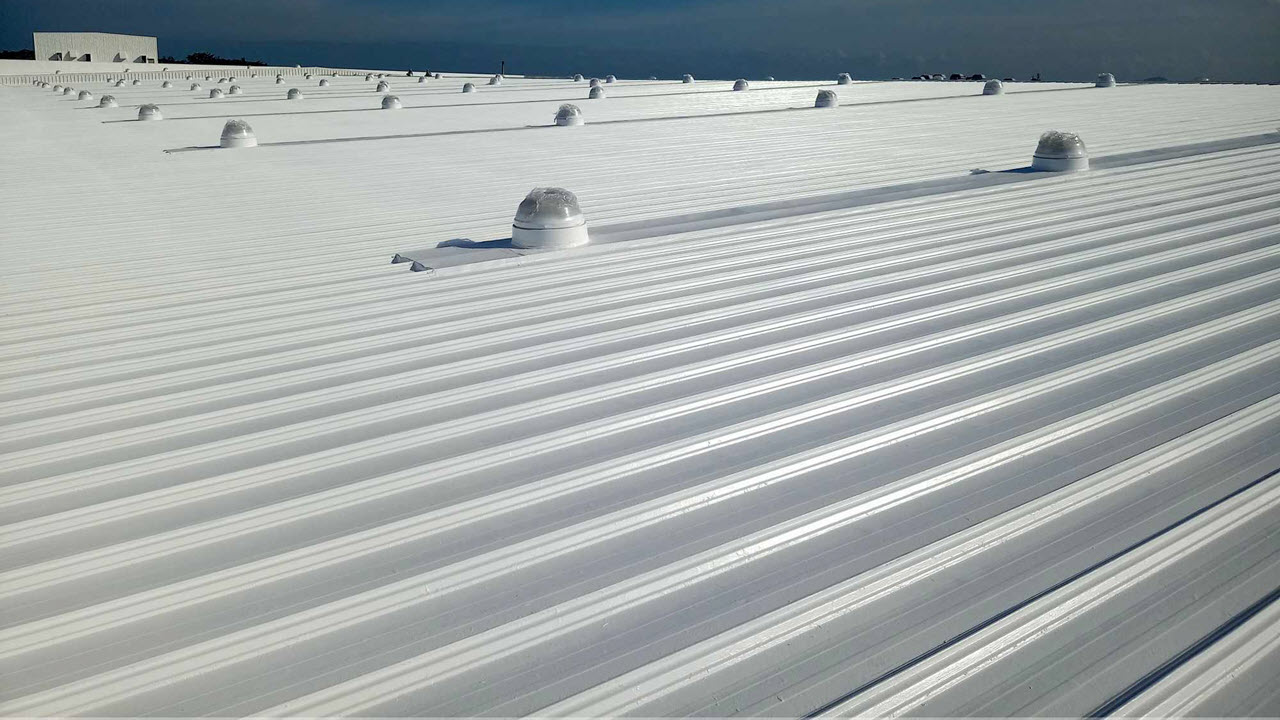
Commercial roofing systems carry one of the most critical responsibilities within any property. They protect the building structure, the people inside it, and the operations it supports. Whether a roof is constructed of metal or concrete, it is constantly exposed to ultraviolet radiation, intense heat, heavy rainfall, wind uplift, moisture cycles, and airborne contaminants. Over time, these environmental conditions weaken roofing materials and may eventually lead to leaks, energy inefficiency, and even structural damage. Regular roof inspections remain one of the most effective ways to prevent these issues and ensure that a building’s roof continues to perform as intended throughout its service life.
Why Early Detection Matters
A roof rarely fails in a dramatic or sudden way. Most failures begin with small problems that go unnoticed. A minor puncture, a loose fastener, a clogged gutter, a seam beginning to lift or a hairline crack in a concrete deck can stay hidden until they turn into larger issues. These small issues eventually cause water intrusion, corrosion or interior damage. A routine inspection helps identify these concerns before they grow, saving building owners time, money and disruption by preventing emergencies that require major restoration or replacement.
Extending the Service Life of the Roof
A well maintained roof typically lasts significantly longer than one that does not receive regular attention. Inspections ensure that the surface remains intact, fasteners stay secure, drainage pathways remain open and coating membranes continue performing properly. When vulnerabilities are addressed early, building owners prevent premature deterioration and delay full roof replacement, creating substantial long term savings.
Improving Energy Efficiency by Maintaining Roof Condition
A compromised roof affects more than waterproofing. It also impacts the thermal performance of the entire building. Damaged membranes, deteriorated coatings or accumulated debris cause the roof to absorb more heat. This increases indoor temperatures and forces air conditioning systems to work harder. In the Philippines, where solar exposure and humidity levels are high throughout the year, even small roof defects can significantly increase cooling demands. Regular inspections help ensure that reflective coatings remain effective, insulation is not compromised and heat transfer into the building stays controlled.
Promoting Safety and Reducing Building Risks
A deteriorating roof can create safety hazards. Loose materials, weakened sections, corrosion and hidden moisture intrusion pose risks to employees, customers and equipment. Regular inspections verify structural integrity and identify conditions that require immediate correction. This is particularly important for industrial plants, warehouses and commercial properties where roof performance affects day to day operations.
Protecting Warranty Coverage and Insurance Requirements
Many warranty programs and insurance policies require documentation of regular inspections. Failure to maintain the roof or record its condition can affect eligibility for claims. Routine inspections protect warranty coverage by confirming that the roof is maintained according to manufacturer or contractor standards. This is especially important for restoration systems backed by long term warranties, where adhesion and waterproofing performance depend on proper upkeep
How Often Commercial Roofs Should Be Inspected
Inspection frequency depends on roof type, local climate and environmental exposure. Most commercial roofs benefit from at least one inspection per year. In areas with intense heat, heavy rainfall or frequent storms, inspections may be needed twice annually or after major weather events. Roofs with heavy foot traffic or complex drainage designs also require closer
monitoring.
What a Professional Roof Inspection Should Include
A professional roof inspection evaluates more than visible surface defects. Inspectors review membrane condition, signs of water intrusion, substrate behavior, rust activity, flashing integrity and drainage performance. They also check the condition of coating layers, seams, gutters and the structural components that support the roof. By examining both surface and underlying conditions, the inspector provides accurate recommendations for maintenance or corrective action.
Taking Action When Problems Are Identified
If an inspection reveals issues, repairs should be completed promptly. Delaying repairs allows moisture, heat and movement to worsen the problem and increase costs over time. Timely corrective action preserves the roof’s lifespan, maintains waterproofing integrity and prevents operational disruptions caused by leaks.
Selecting a Reliable Professional for Roof Inspections
Commercial roof inspections require a level of technical understanding that not all contractors can provide. Coating systems, substrate conditions and environmental factors must be interpreted correctly for long term performance. Hiring a qualified and experienced commercial roof specialist ensures accurate evaluation and reliable maintenance recommendations. For building owners, this expertise is essential for protecting property and optimizing roof performance.