

Commercial roofs endure constant exposure to heat, moisture, ultraviolet radiation and airborne pollutants. Over time, these stresses cause premature degradation, leaks, energy loss and avoidable structural wear. Roof coating systems have become one of the most effective ways to protect commercial roofs while extending their lifespan, especially in climates like the Philippines where temperature and rainfall patterns are intense.
Modern coating technologies have evolved significantly. The industry now offers a wider range of high-performance solutions designed to improve durability, reduce energy costs and provide sustainable options for building owners. Understanding these developments helps property managers make informed decisions about long-term roof asset management.
Understanding Today’s Common Roof Coating Systems
Several coating chemistries dominate the commercial roofing market today, each offering distinct performance characteristics suited to different building conditions.
Acrylic coatings are water-based membranes widely valued for their strong UV resistance and cost efficiency. They perform well in areas with high solar exposure but are generally less suitable for roofs that experience standing or ponding water. Because of their reflective properties and affordability, acrylic coatings remain a practical option for many commercial buildings.
Elastomeric coatings provide enhanced flexibility and weather resistance. They accommodate thermal expansion and contraction, making them reliable in tropical climates where temperature fluctuations are significant. Elastomeric systems tend to be more durable than acrylics and deliver stronger long-term waterproofing protection.
Hybrid water-based P.U. coatings and Polyurea represent the highest tier of performance. They are exceptionally resistant to UV radiation, extreme temperatures and continuous moisture. Because Hybrid water-based P.U. coatings and Polyurea do not degrade under ponding water, it is often used on flat roofs or low-slope structures. While the most expensive option, these coatings offer unmatched longevity and stability.
Selecting the appropriate roof coating system ultimately depends on several factors, including climate conditions, roof design, existing substrate materials, and budget considerations—especially in the demanding environmental conditions found throughout the Philippines.
Factors That Influence Roof Coating Lifespan
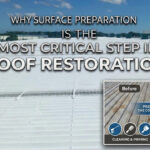
The durability of any roof coating system depends not just on product choice, but on the conditions in which it is installed and maintained. A coating applied on a poorly prepared surface will fail long before its expected service life. Proper cleaning, rust treatment, primer selection and consistent mil-thickness application all determine whether the membrane adheres as engineered.
Maintenance also plays a crucial role. Regular inspection, debris removal and drainage monitoring help prevent minor issues from escalating. Climate conditions are equally influential. Roofs in high-heat, high-humidity environments require coatings with strong UV stability and moisture resistance to maintain performance over time.
Commercial building owners who pair the right coating with proper installation and maintenance consistently achieve longer roof life and reduced repair costs.
New and Emerging Trends in Commercial Roof Coating Technology
The industry continues to evolve, driven by energy efficiency requirements, sustainability goals and advancements in material science.
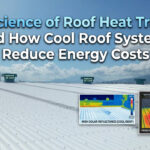
Cool roof coatings have emerged as one of the most influential innovations. These systems are formulated with highly reflective pigments that minimize solar heat absorption and significantly lower roof surface temperatures. In energy-intensive facilities, cool roof systems can reduce cooling loads and produce measurable energy savings over time.
Self-cleaning coatings or dirt pick-up resistant coatings are another innovation gaining popularity. Using photocatalytic materials that react with sunlight, these coatings break down organic matter, dirt and algae. This reduces maintenance needs and preserves the coating’s performance without frequent manual cleaning.
Sustainable and biodegradable coatings are emerging as environmentally responsible alternatives. Made with renewable or low-impact materials, they support green-building initiatives and help reduce the environmental footprint of construction activities. As ESG reporting and sustainability requirements grow, interest in eco-friendly roof systems continues to rise.
These trends highlight a broader movement: roof coatings are no longer just protective layers but advanced building technologies that contribute to energy management, sustainability and operational efficiency.
The Benefits of Using High-Performance Roof Coatings
Roof coatings deliver multiple long-term benefits for commercial properties. They create a protective barrier against UV exposure, rain, wind and thermal stress, helping prevent leaks and extending the service life of the roof. Their reflective properties lower indoor temperatures and reduce energy consumption during peak cooling seasons. Coated roofs require fewer repairs and less frequent maintenance, allowing building owners to save on operational costs. They also improve the building’s appearance, providing a clean, uniform finish that enhances overall visual appeal.
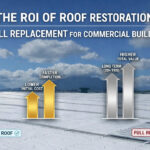
For commercial facilities in demanding climates, roof coatings remain one of the most cost-effective strategies for protecting assets and optimizing building performance.